The Hoot Video Hub Pharma Patient Services Beyond the Call Center
Traditional pharma hubs rely on outbound calls patients don't answer, CRMs that log data but don't change behavior, and brochures that go unread. Hoot Video Hub replaces the weakest links with physician-led video via SMS.
Built for Pharma Hub Teams Who Need More Than Calls, CRMs, and Brochures
From treatment initiation to 6-month persistency, Hoot delivers physician-voice education at every touchpoint where traditional hub services lose patients.
Patient Services & Hub Op
Supplement hub call center outreach with physician-led video via SMS. Reduce prescription abandonment at every hesitation point from hub enrollment through first-fill, copay assistance activation, and Month 6 persistency tracking.
Clinical Operations & R&D
Improve trial participant education, reduce protocol confusion, increase visit completion rates, and reduce dropout driven by misunderstanding of informed consent.
Market Access & Payer Relations
Demonstrate measurable patient outcome improvements that strengthen payer negotiations and reduce gross-to-net erosion through documented adherence and persistency gains.
Rare Disease Teams
Address the extraordinary emotional and logistical barriers facing rare disease patients with highly personalized physician education at every stage of their treatment journey.
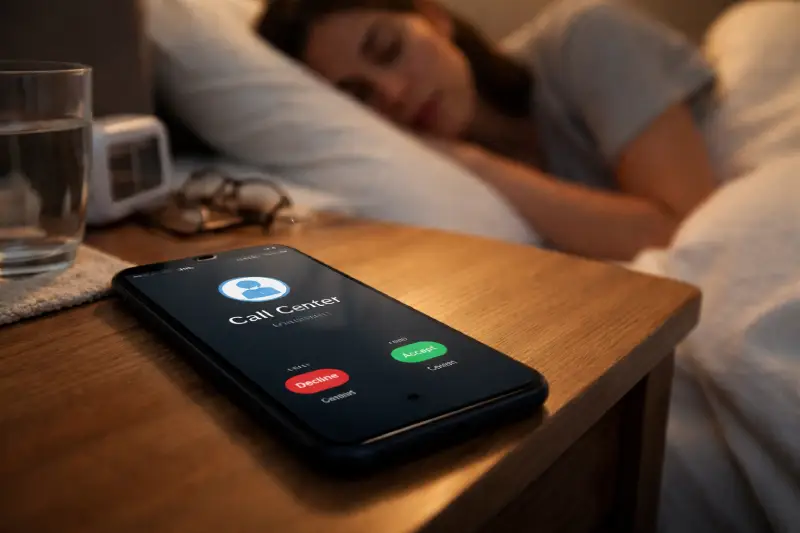
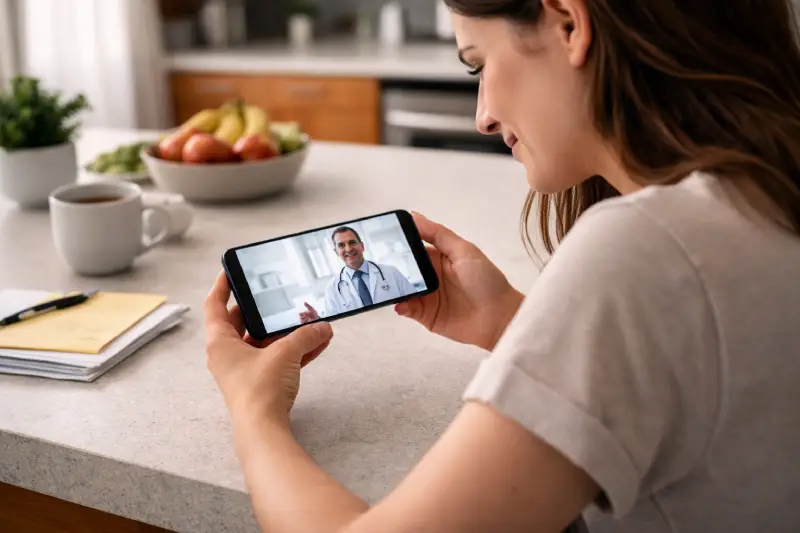
Hub Call vs. Hoot SMS Video From the Patient's Phone
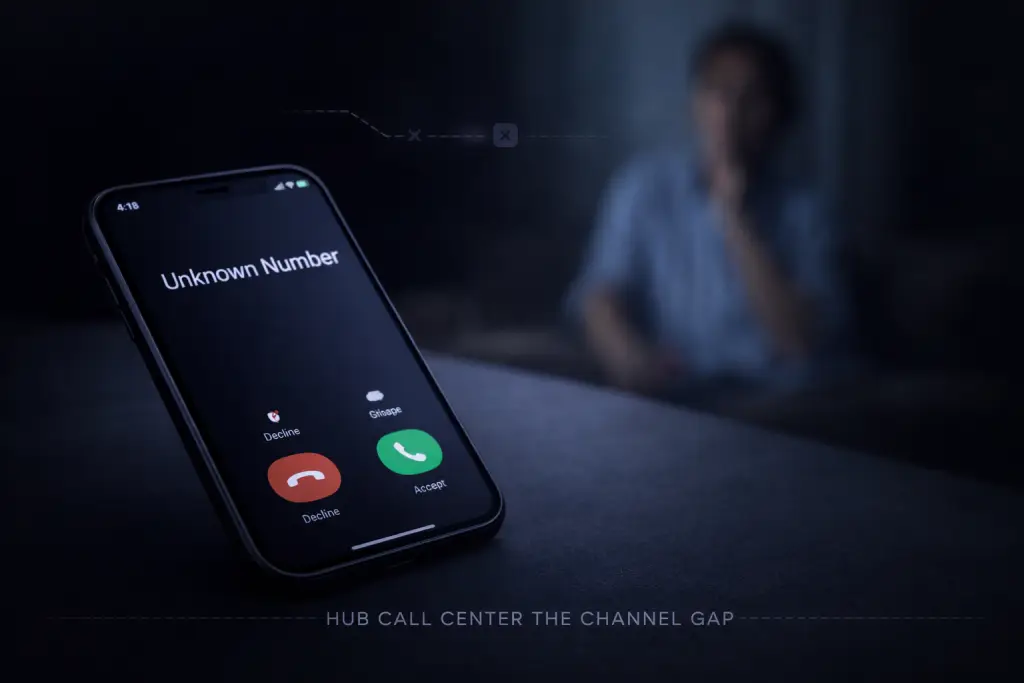
This is what the patient actually sees. One is ignored. One is watched.
1-800-XXX-XXXX
Not listened to
Pharma Hub Services Spend $5 Billion on Patient Support. 3% of Patients Use Them.
Patient hub operations call centers, CRM systems, nurse educators, benefits verification, copay card programs manage the logistics. But they were never designed to change the emotional decisions that drive abandonment, discontinuation, and non-adherence.
The Hesitation Window
Within 72 hours of a new prescription, patients are bombarded by family opinions, Google searches, Reddit threads, and TikTok videos all contradicting their physician's recommendation. This is the window where treatment decisions are actually made.
New-to-Brand Abandonment
Patients abandon newly prescribed specialty medications at staggering rates often before filling the first prescription. The physician's voice, the most trusted source in the decision, disappears the moment the patient leaves the office.
Prescribers Unaware of Support
Nearly half of prescribers are unfamiliar with the patient support programs available for their own prescribed products. If physicians don't know these programs exist, they can't direct patients to them.
Specialty Therapy Discontinuation
Half of patients on specialty therapies discontinue within the first year. The issue isn't just cost it's confusion, fear, side-effect anxiety, and the absence of the physician's reassuring voice during the most vulnerable treatment phases.
Clinical Trial Delay Cost Per Day
Every day a clinical trial fails to hit enrollment targets costs sponsors up to $800,000 in potential revenue. Patient confusion about trial protocols, visit requirements, and expectations drives dropout at every stage.
Provider Initiation Difficulty
The vast majority of providers report at least some difficulty starting patients on specialty medications. The administrative burden, coverage complexity, and patient anxiety create a compounding friction that delays or prevents treatment initiation.
Hub Call Centers, CRMs, and Brochures Were Built for Logistics Not Patient Behavior Change
Hub vendors handle the logistics. But a patient whose PA is approved and copay is covered still abandons therapy. The hub model has a last-mile problem.
Hub Call Center Outbound Calls Go Unanswered Critical Gap
Unknown caller IDs, spam filters, and voicemail avoidance mean the hub's most important patient touchpoint is simply missed. The patient enters the 72-hour hesitation window without any intervention from anyone they trust.
~80% of hub outbound calls go unansweredHub CRMs Log Patient Data They Don't Change Patient Behavior Passive System
The CRM captures what happened, not what should happen next. A patient flagged as "at-risk of abandonment" still receives the same generic outreach. The CRM knows the patient is hesitating; it has no mechanism to intervene.
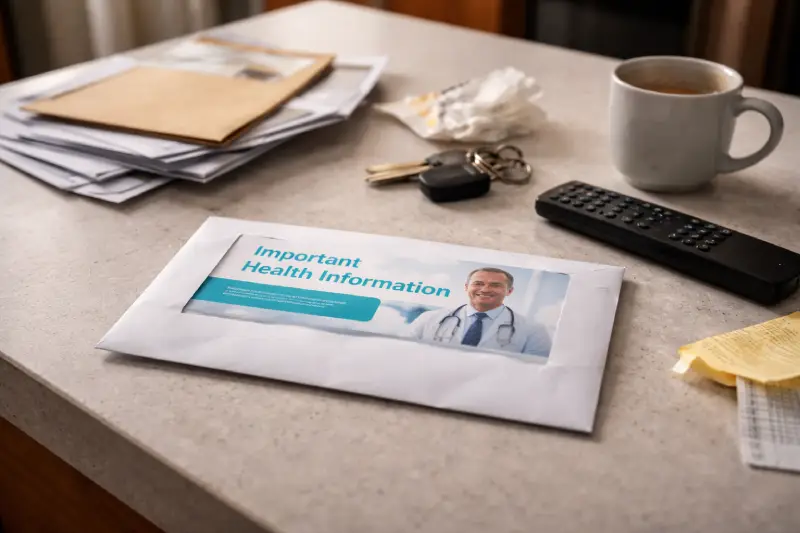
Brochures, PDFs, and Patient Starter Kits Don't Build Trust Low Engagement
These materials are generic, carry no emotional authority, and arrive days after the prescribing moment when the patient's decision is already forming. A tri-fold pamphlet from a vendor they've never heard of doesn't change behavior.
Benefits Verification & PA Support Are Necessary Not Sufficient Incomplete
A patient whose PA is approved and copay is $0 still abandons specialty therapy. The hub addressed the logistical barriers while leaving the emotional and informational barriers completely unaddressed.
Hub Nurse Educator Programs Can't Scale to Every Patient Capacity Limited
Nurse educator capacity is finite, scheduling adds days of delay, and patients who miss calls re-enter the queue while their hesitation compounds. These programs provide excellent care at low volume but cannot reach every patient at the moment of peak hesitation.
SMS Video Delivery Replaces Unanswered Hub Calls 98% Open Rate
Hoot delivers a physician-recorded video via SMS, the one channel patients actually open. No app, no portal login, no voicemail. Their doctor's face and voice, seen within minutes of delivery.
98% SMS open rate vs. ~20% hub call center answer rateProactive Patient Behavior Change, Not Passive Hub Data Logging
Hoot doesn't log that a patient is at risk. It intervenes with the physician's voice at the exact moment hesitation peaks: the 72-hour window, first-dose anxiety, Month 1 doubt, and 90-day persistency checkpoints.
The Physician's Voice Replaces the Hub Brochure & Starter Kit
A 90-second video from the prescribing physician carries more authority than any welcome packet or PDF. Patients don't need more printed material. They need reassurance from the voice they already trust.
Integrates Downstream of Hub Logistics Completes the Patient Journey
Hoot activates after the logistics layer, after PA approval, copay enrollment, and specialty pharmacy coordination, addressing the emotional gap between "approved" and "patient actually starts therapy."
Hub CRM Integration & Real-Time Patient Engagement Analytics
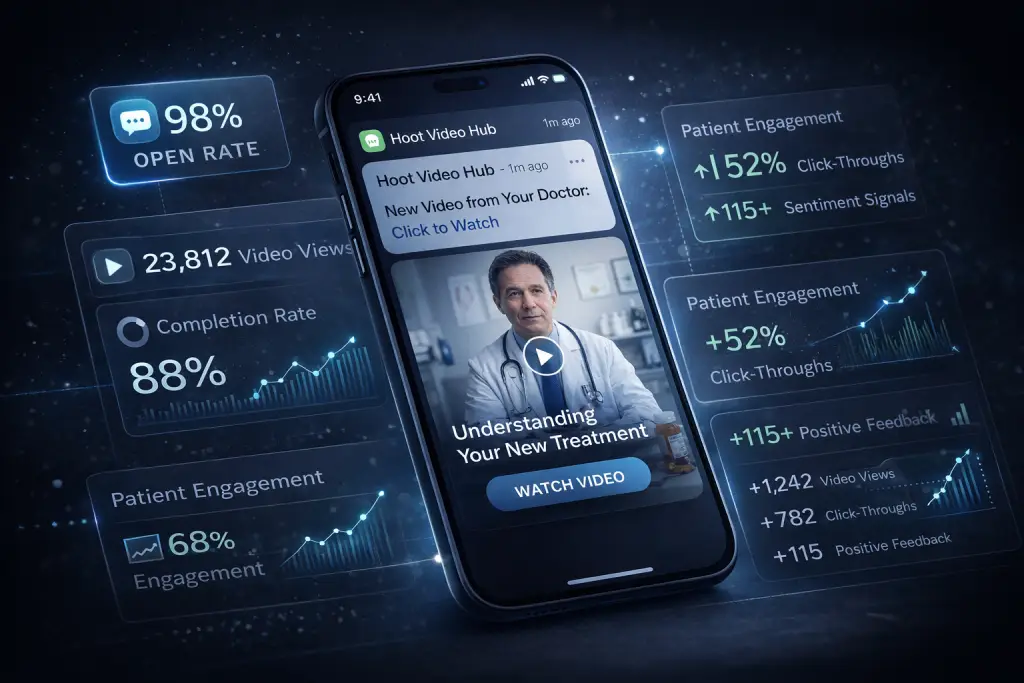
Every Hoot touchpoint generates engagement data: video views, watch completion, and click-through rates that flow back to the hub CRM, transforming it from a passive data repository into an active intervention platform.
Patient Hub Services Workflow: Hub-Only vs. Hub + Hoot Video Hub
The Prescribing Physician's Voice Is the Most Powerful Patient Engagement Asset in Medicine And Traditional Hub Services Waste It
Patients trust their prescribing physician above every other source above hub call center reps, brand nurse educators, patient portal messages, and generic PSP materials. But the moment the patient leaves the exam room, the physician's voice disappears from the hub workflow entirely.
Hoot Video Hub is the infrastructure that keeps the physician's voice present throughout the entire patient hub journey through treatment initiation, through the 72-hour hesitation window, through first-dose anxiety, through Month 1 doubt, through 90-day persistency, and through the 6-month discontinuation risk period. Delivered via SMS and email at the exact moments where hub call center outreach fails to reach patients.
Why the Physician's Voice MattersPrescription Written
Physician prescribes therapy. Hoot's platform activates the patient journey.
72-Hour Hesitation Window
Patient receives physician-recorded video via SMS explaining what to expect and why the treatment matters.
First Dose & Week 1
Follow-up video addresses common side effects, expectations, and encouragement from their physician.
Month 1–3 Persistency
Ongoing physician-voice education reinforces treatment adherence through critical persistence milestones.
6-Month Risk Period
Proactive re-engagement targets patients at the highest risk of discontinuation with physician-led content.
One Video Hub Platform. Three Capabilities That Complete Patient Hub Services.
Physician Video Education
AI-generated or physician-recorded video content in 175+ languages, delivered via SMS and email at every critical decision point in the patient journey.
Sophie PXO
AI-powered Patient Experience Optimizer that audits confusion touchpoints, identifies content gaps, and automates outreach sequencing across the treatment journey.
Hoot X Platform
A fully customized platform built around each pharma brand's specific workflows integrating with existing PSP, hub, and CRM systems for seamless deployment.
Built for Pharma Compliance. Designed for Patient Engagement.
HIPAA-compliant, MLR-ready, and integrated with existing hub CRM systems see the Hoot Video Hub dashboard and patient engagement analytics.



Dive Deeper into the Problems Hoot Solves
Each page addresses a specific challenge in pharma patient services with data, frameworks, and solutions.
The Patient Confusion Crisis
Why $5B in patient support programs reach only 3% of patients and the behavioral science behind fixing it.
Prescription Abandonment
The 72-hour hesitation window that determines whether patients start therapy and where Hoot intervenes.
Physician-Led Patient Education
Why the prescribing physician's voice not a brand nurse or hub rep is the only credible messenger in the hesitation window.
Rare Disease Patient Services
Small populations, high anxiety, ultra-specialized prescribers. The unique education challenge in rare disease.
Clinical Trials Engagement
Reduce trial dropout, improve protocol comprehension, and accelerate enrollment with physician-led education.
Results & ROI
Conversion lifts, initiation improvements, and ROI frameworks from Hoot deployments across therapeutic areas.
HIPAA Compliant
SOC 2 Type II certified, US data residency, adverse event capture
MLR-Ready
Built-in Medical Legal Review workflow for pharma compliance teams
175+ Languages
AI-generated physician avatars reach diverse patient populations at scale
98% SMS Open Rate
Physician video reaches patients at the exact moment they're deciding whether to start therapy
Built by People Who Know Your World
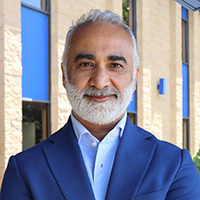
Hoot wasn't built in a Silicon Valley lab. It was built by a 23-year Pfizer veteran and a practicing physician who lived the patient access problem from both sides.

23 years at Pfizer building patient access and commercial functions before the industry recognized them as strategic. Bob saw the patient confusion crisis from inside the world's largest pharmaceutical company and built Hoot to solve it at the moment that matters: when the patient is deciding whether to start therapy.

Practicing physician who lived the treatment abandonment problem in her own practice watching patients leave confident in a treatment plan, only to abandon it within 72 hours because they encountered confusing, contradictory information. Dr. Shefali grounds Hoot's platform in clinical reality.
Get a Free Patient Confusion Audit
We'll map the confusion timeline for your top product's patient journey showing where patients hesitate, what competing sources they consult, and where Hoot's physician-voice intervention would deliver the greatest impact.
Understanding Pharma Patient Hub Services And Where They Fall Short
For pharma commercial and patient services leaders evaluating hub strategy, hub vendor selection, hub digital transformation, and next-generation patient engagement models.
What Is a Pharma Patient Hub?
A pharmaceutical patient hub also called a patient services hub, PSP hub, or patient support program hub is the centralized infrastructure that coordinates the full spectrum of patient access and support services for a branded pharmaceutical product. Hub services typically include benefits investigation, prior authorization (PA) support, copay card enrollment, free drug and bridge programs, specialty pharmacy coordination, nurse educator outreach, and patient case management all delivered through a combination of call center operations, CRM systems, and field reimbursement teams.
Pharma manufacturers contract with hub vendors companies like Lash Group, Conduent, Phil, CoverMyMeds, Sonexus, AssistRx, ConnectiveRx, McKesson Patient Support, Evernorth, and others to operate these patient hub services on their behalf. Hub vendor selection is one of the most consequential patient services decisions a pharma brand team makes, as the hub becomes the operational backbone of the brand’s entire patient support ecosystem.
The pharma hub model has evolved significantly over the past decade. First-generation hubs were essentially reimbursement call centers. Second-generation hubs added CRM case management, digital enrollment portals, and specialty pharmacy network integration. Third-generation “digital-first” hubs now incorporate omnichannel patient engagement, predictive analytics, patient journey orchestration, and AI-driven workflow automation but even the most advanced hub platforms share a fundamental limitation.
The Structural Limitation of Hub Call Center Models
Every pharma patient hub regardless of vendor, technology stack, or sophistication relies on outbound phone calls as the primary mechanism for patient outreach and engagement. Hub call center representatives, nurse educators, and case managers contact newly enrolled patients to verify information, explain the support program, check on treatment initiation progress, and flag adherence risks.
The problem is structural: patients do not answer phone calls from unknown numbers. Hub call center outbound calls experience approximately 80% non-answer rates across the industry. Patients screen calls, ignore unfamiliar caller IDs, let voicemails go unheard, and never return messages from numbers they don’t recognize. The hub’s CRM logs the contact attempt, the case manager documents “outreach attempted,” and the patient enters the most critical decision window of their treatment journey with no intervention from anyone they trust.
This isn’t a hub vendor quality problem it’s a channel problem. Even the best-trained hub call center representative cannot deliver patient education to a patient who doesn’t pick up the phone. The hub model’s dependence on outbound calling as the primary engagement channel is the single largest structural gap in pharma patient services today.
Beyond the Hub: What Pharma Patient Services Teams Are Searching For
Pharma patient services leaders, VPs of patient access, directors of hub operations, and heads of patient engagement are actively searching for solutions to a set of interconnected hub performance challenges: how to improve hub enrollment completion rates, how to reduce time-to-therapy after PA approval, how to increase first-fill rates for newly prescribed specialty drugs, how to improve 30/60/90-day persistency metrics, and how to demonstrate patient services ROI to justify hub spend at commercial leadership reviews.
These searches lead to pharma hub strategy frameworks, hub vendor comparison guides, hub digital transformation roadmaps, patient engagement platform evaluations, omnichannel hub communication strategies, hub analytics and reporting dashboards, and hub performance benchmarking data. The underlying question is always the same: why are patients enrolled in hub support programs still abandoning therapy at rates that cost billions in potential revenue annually?
Where Hoot Video Hub Fits in the Pharma Hub Ecosystem
Hoot Video Hub is not a hub replacement it is the behavioral intervention layer that completes hub services. It integrates downstream of existing hub operations: after benefits investigation, after prior authorization approval, after copay card enrollment, after specialty pharmacy assignment. The hub handles patient access logistics; Hoot handles the emotional and educational gap between “patient enrolled in hub” and “patient actually picks up medication and takes the first dose.”
The mechanism is physician-led video delivered via SMS at 98% open rates replacing the hub’s unanswered outbound calls with the one channel patients actually engage with, carrying the one voice patients actually trust. Each video is timed to the behavioral science of the treatment decision: a video within hours of the prescription explaining the treatment; a follow-up at Day 3 addressing side-effect expectations; a Week 1 reinforcement during the peak abandonment window; and ongoing touchpoints through 90-day persistency and 6-month discontinuation risk.
For pharma hub operations teams, Hoot Video Hub generates patient engagement data that flows back to the hub CRM video views, completion rates, click-throughs, and sentiment signals giving hub case managers real-time visibility into which patients have been reached, which patients are engaged, and which patients need escalated human outreach. This transforms the hub CRM from a passive case management system into an active patient engagement intelligence platform.
Therapeutic Area Applications Across Hub Services
Hoot Video Hub deploys across every therapeutic area where patient hub services operate: specialty immunology (rheumatoid arthritis, psoriasis, Crohn’s disease, ulcerative colitis), oncology and immuno-oncology, rare disease and orphan drugs, gene therapy and cell therapy, neurology (multiple sclerosis, migraine), cardiology and cardiovascular, endocrinology (diabetes, obesity/GLP-1), pulmonology (COPD, asthma), dermatology, ophthalmology, infectious disease, and biosimilar transition programs. Each therapeutic area has distinct patient journey patterns, hub workflow requirements, and physician education needs and Hoot Video Hub customizes the video content and delivery cadence to each.
Pharma Hub Services & Hoot Video Hub FAQ
A pharma patient hub is the centralized patient support services infrastructure that manages benefits investigation, prior authorization, copay assistance, specialty pharmacy coordination, nurse educator programs, and CRM case management. Hoot Video Hub is the physician-led video education layer that activates after hub logistics are complete addressing the emotional and behavioral barriers to treatment initiation that hub call centers, CRMs, and brochures cannot reach. Hoot complements hub services; it does not replace them.
Approximately 80% of outbound hub call center calls go unanswered. Patients screen unknown numbers, use spam filters, ignore voicemails from unfamiliar callers, and often don't know a hub service is trying to reach them. Even when patients are enrolled in a patient support program, they may not recognize the hub call center number, have no expectation of the call, and lack the context to understand who is calling and why. This is a structural channel limitation of the hub call center model not a reflection of hub vendor quality or representative training.
Hoot Video Hub generates patient engagement data video views, watch completion rates, click-through rates, time-to-engagement, and patient response signals that integrates with hub CRM platforms. Hub case managers gain real-time visibility into which patients were reached, which patients watched the physician video, and which patients may need escalated human outreach. The hub CRM shifts from logging "contact attempted" to tracking actual patient engagement and behavioral response, enabling more targeted hub resource allocation.
The 72-hour hesitation window is the critical period after a prescription is written when patients encounter conflicting information from family members, Google searches, Reddit forums, TikTok videos, and online health communities that undermines their confidence in the treatment plan. Hub services typically cannot intervene during this window because outbound call scheduling, nurse educator coordination, and brochure mailing introduce delays of days or weeks. Hoot Video Hub delivers a physician video via SMS within hours of the prescription, reaching the patient during the hesitation window when the behavioral decision is actively forming.
No and it shouldn't. Hub nurse educator programs provide essential high-touch patient support, especially in complex therapeutic areas like oncology, rare disease, gene therapy, and specialty immunology. Hoot Video Hub extends the reach of nurse educator programs by ensuring every patient receives physician-led video education during the hesitation window, regardless of nurse educator scheduling availability. Patients who need escalated human support are identified through Hoot's engagement analytics and routed to the nurse educator queue with richer context about their concerns.
Hoot Video Hub deploys across every therapeutic area served by pharma hub services: specialty immunology, oncology, rare disease, gene therapy, cell therapy, neurology, cardiology, endocrinology (including GLP-1/obesity), pulmonology, dermatology, ophthalmology, infectious disease, and biosimilar transition programs. Each deployment is customized to the specific patient journey, hub workflow, and physician education requirements of the therapeutic area.
Hub services ROI is measured through patient enrollment completion rates, time-to-therapy, first-fill rates, 30/60/90-day persistency, and gross-to-net impact. Hoot Video Hub improves every downstream metric by addressing the behavioral gap that causes patients to fall out of the hub funnel after logistics are complete. When a pharma brand has 10,000 newly prescribed patients per quarter and each represents $8,000/year in revenue, a 10-point improvement in initiation rate from hub enrollment to actual first dose recovers $8M/year in revenue that the hub-only model was losing to abandonment.
Yes. Hoot Video Hub is HIPAA compliant, SOC 2 Type II certified, with US data residency, built-in adverse event capture for pharmacovigilance requirements, and a native Medical Legal Review (MLR) workflow for pharma compliance teams. All video content passes through the brand's MLR approval process before patient delivery. Hoot Video Hub is built specifically for pharmaceutical hub services compliance requirements.