The #1 Threat to Treatment Starts & Adherence in 2026

Patients Never Start.
Then They Never Stay.

And the physician who prescribed therapy isn't in the conversation.

35–40% of specialty prescriptions are abandoned before the first fill. Of those who start, half discontinue within a year.

Not because the therapy doesn't work. Because Reddit, TikTok, AI chatbots, and Google are making the decision for them. The physician's voice vanishes the moment patients leave the exam room.

35–40%
Never start. Specialty Rx abandoned before first fill
50%
Never stay. Discontinue within 12 months
$5B
Spent on support programs. 3% utilization
~80%
Hub calls go unanswered at the critical moment

This Is What Patients See Instead of Their Physician's Voice

Within 72 hours of a prescription, these sources make the treatment START decision for the patient. For those who do start, these same sources drive discontinuation at Month 1, Month 3, and Month 6. The physician's voice is absent at every critical moment.
reddit
Unverified
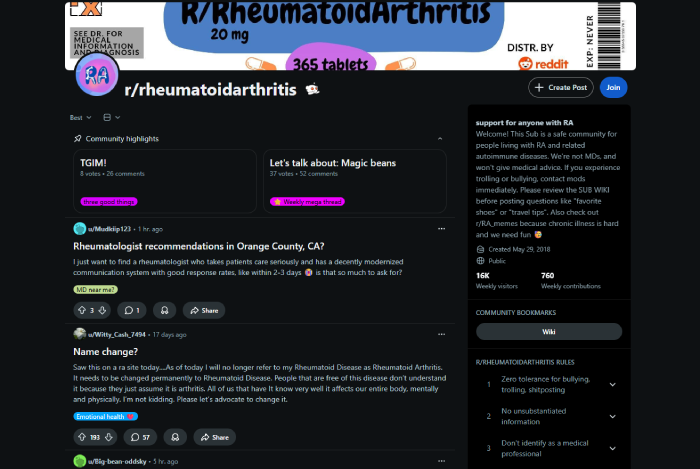
"I was prescribed [drug name] for my RA and honestly I'm terrified. My cousin took it and ended up in the ER. Anyone else have horror stories?"
r/rheumatoidarthritis. 847 upvotes, 312 comments. Anonymous anecdotes drive treatment fear. No clinical context. No physician voice. This thread appears on page 1 of Google when patients search their medication name.
Reaches patients during peak hesitation window
tiktok
Conspiracy
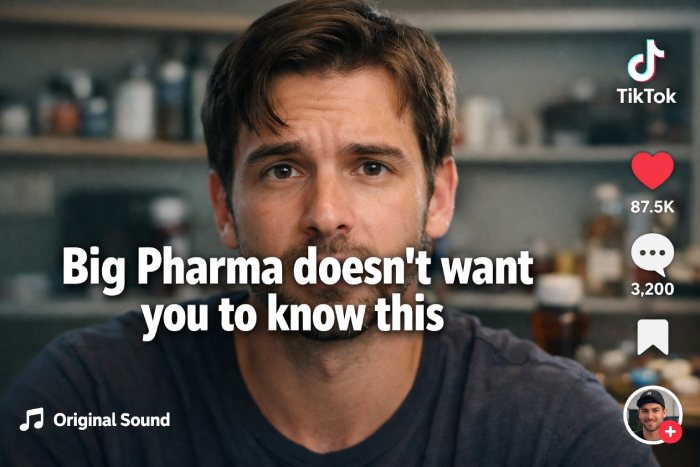
"Big Pharma doesn't want you to know this but [drug name] literally changes your DNA. Here's what your doctor ISN'T telling you.
2.3M views. Non-medical influencer. 30-second video carries more emotional weight than the physician visit. Comments amplify fear. Algorithm serves more conspiracy content for days after.
Algorithm-amplified to vulnerable patient populations
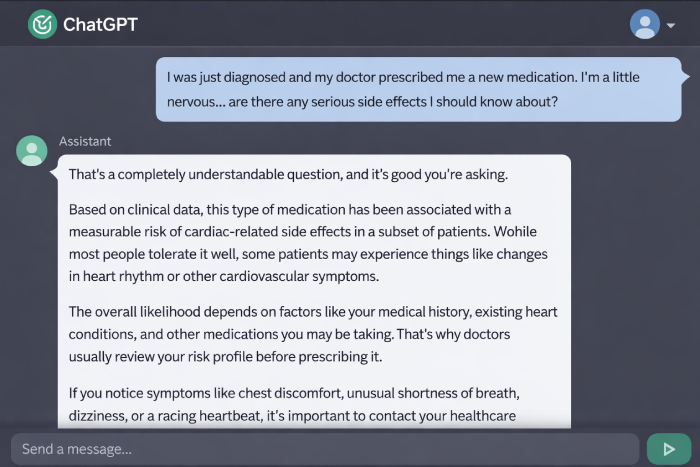
chatgpt
Hallucination
"Based on available data, [drug name] has been associated with significant cardiac events in 15% of patients..."
Fabricated statistic. AI hallucination. Patient asks ChatGPT about their medication. AI generates confident, authoritative-sounding medical misinformation. Patient believes the number because it "sounds" clinical. No source. No verification. No physician.
Patients trust AI output as "medical fact"
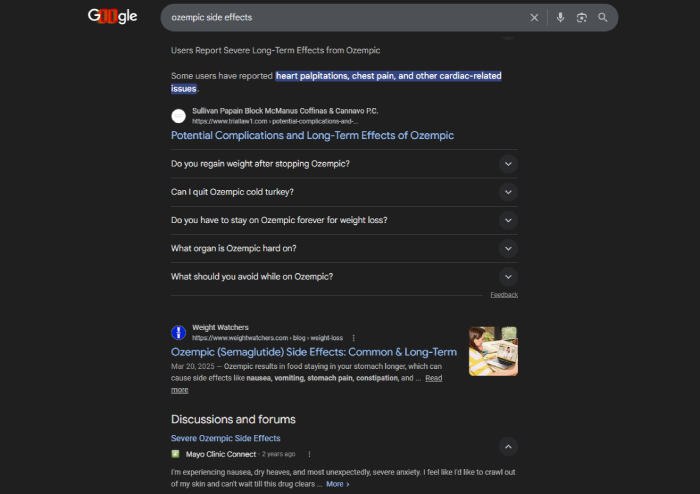
google
Fear-Optimized
"[Drug name] side effects" → Top results: lawsuits, class actions, worst-case scenarios, personal injury attorney ads.
SEO-optimized fear dominates page 1. When a patient Googles their medication, the first page is dominated by lawsuit ads, side effect aggregators, and content designed to generate clicks through fear, not inform treatment decisions.
First thing 78% of patients do post-prescription
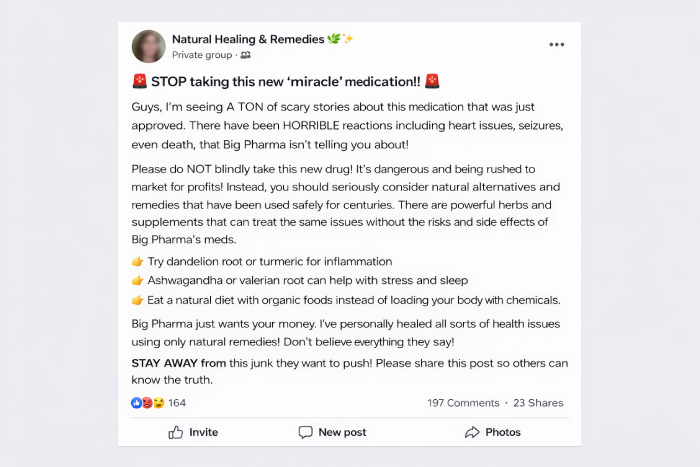
Echo Chamber
"PLEASE READ before you take this!! I stopped my chemo after 2 rounds and switched to turmeric and alkaline water. My tumors are shrinking!!"
Private Facebook group, 47K members. Cancer patients sharing dangerous alt-medicine claims. Group admins delete posts from actual oncologists. Patients in the group report stopping prescribed treatment based on group advice.
Actively drives treatment abandonment in oncology
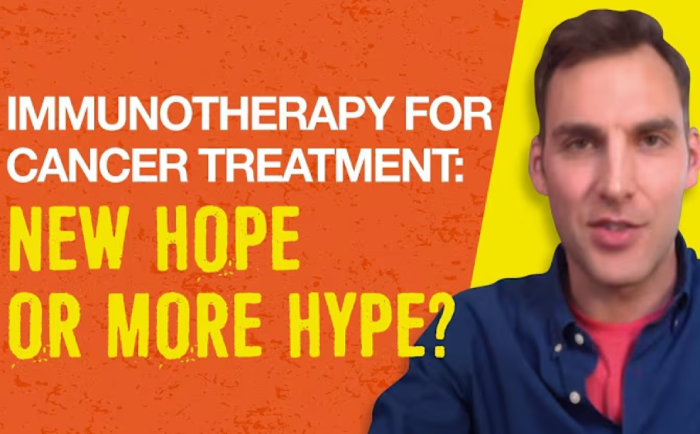
youtube
Misleading
"What Your Doctor Won't Tell You About Immunotherapy: The TRUTH About Cancer Treatment Side Effects"
1.8M views. "Functional medicine" channel. Presents cherry-picked data, misinterprets clinical trial results, and promotes supplement alternatives. YouTube recommends this to every patient who searches their cancer treatment.
Auto-recommended to oncology patients

These Are the "Experts" Patients Consult Before Filling Their First Prescription

Non-medical social media influencers with millions of followers are intercepting patients between the prescription and the pharmacy counter. They have more reach than every hub call center combined. They show up when the physician doesn't. And they tell patients not to start.
tiktok
4.2M followers
Anti-Pharma Conspiracy
"Wellness Warrior" Archetype
"Your oncologist won't tell you this, but chemo destroys your immune system. Here's what I did instead..." Promotes unproven supplements as cancer treatment alternatives
Oncology patients delay or abandon chemotherapy
youtube
2.8M subscribers
"Functional Medicine" Authority
"The Truth About Your Meds" Archetype
"Immunosuppressants are destroying your body's natural healing ability. I've helped 10,000 patients get off biologics using my protocol..." Cherry-picks data, promotes supplement stacks
RA/Crohn's patients discontinue biologics
instagram
1.6M followers
Holistic "Healer"
"Natural Cures" Archetype
"I reversed my stage 3 diagnosis with alkaline water, turmeric, and positive visualization. Big Pharma doesn't want you to know..." Anecdotal claims presented as medical evidence
Cancer patients refuse first-line treatment
podcast
850K per episode
"Medical Freedom" Activist
"Do Your Own Research" Archetype
"These gene therapies haven't been tested long enough. Your doctor is incentivized to prescribe them. Follow the money..." Targets rare disease and gene therapy patients specifically
Rare disease patients refuse life-saving gene therapy

What Failed Starts and Lost Adherence Cost a Single Oncology Brand: In Real Revenue

This isn't abstract. The confusion crisis destroys value at two points: patients who never fill the first prescription (failed starts), and patients who start but discontinue within 6 months (lost adherence). For a single oncology product, the combined impact is staggering.

$128M Lost to Failed Starts. Another $96M Lost to Discontinuation. One Oncology Product.

Consider a branded oncology therapy (immunotherapy, targeted therapy, or novel combination regimen) with an average annual revenue per patient of $80,000. The brand writes 10,000 new prescriptions per quarter through its oncology network.

At a 40% abandonment rate, 4,000 patients per quarter never start. They never fill the first prescription. That's the first revenue collapse. These patients left their oncologist's office intending to begin treatment, and within 72 hours decided not to, because Reddit, TikTok, Facebook groups, and ChatGPT reached them before the hub call center did.

Of the 6,000 who do start, another 20% discontinue within 6 months, driven by side-effect fear amplified by the same misinformation sources, compounded by the absence of the physician's reassuring voice during the most difficult weeks of treatment. The hub CRM logs "patient non-adherent." The revenue is already gone at two distinct failure points: starts, then adherence.

Oncology Revenue Impact Model
New prescriptions per quarter
10,000
Annual revenue per patient
$80,000
New-to-brand START failure rate
40%
Patients who never start per quarter
4,000
Annual revenue lost to failed STARTS alone
$128M
Of starters, 6-month discontinuation rate
20%
Additional annual revenue lost to failed ADHERENCE
$96M
If Hoot improves starts by 10pts + adherence by 5pts
+$32M+/yr

Two Failure Points. One Compounding Revenue Collapse.

$800M
Total addressable revenue
(40K patients/yr × $80K)
-$128M
Failed starts: 40% never fill the first Rx
-$96M
Lost adherence: 20% of starters discontinue by Month 6
$576M
Realized revenue after failed starts + lost adherence
+$32M+
Hoot recovery: 10-pt lift in starts + improved 6-mo adherence

Pharma Spends $5B on Patient Support. 97% of Patients Never Reach It.

Hub services, nurse educators, copay programs, adherence apps. The infrastructure exists. But 59% of patients don't know their support program exists, and 42% of prescribers don't mention it.

The gap isn't program design. It's the silence between prescription and program: the 72 hours where misinformation fills the void. That gap is where Hoot operates.

Patient Support Funnel: Where They Drop Off
Patients prescribed
100%
100%
Aware of programs
41%
41%
Enrolled
18%
18%
Actually using
3%
3%

Hub Call vs. Physician Video: From the Patient's Phone

One is ignored. One is watched within minutes.

Missed Call
Unknown Number
Patient Support Hub
1-800-XXX-XXXX
Voicemail (0:47)

Not listened to

Traditional Hub Call
~80% go unanswered

From: Dr. Patel’s Office
Hi Sarah, Dr. Patel recorded a short video about your new prescription. Tap to watch:

Opened2 min ago
Watched94%
Hoot Video Hub SMS
98% open rate

The 72 Hours That Determine Whether Patients Ever Start

This is the window where treatment starts are won or lost. The physician's voice is absent. Misinformation fills the gap. By hour 72, the start decision is made, and for 35–40%, it's a decision not to fill.

Hour 0
Rx written. Patient leaves confident.
Hour 1-6
Family questions begin. "Why do you need that?"
Hour 6-24
Google → Reddit → TikTok → ChatGPT. Fear compounds.
Hour 24-48
Pharmacy. Sticker shock. "Maybe I should wait."
Hour 48-72
Decision made. 35–40% abandon. Revenue gone.

The Patient Confusion Crisis Across Complex Therapies

Oncology, rare disease, and medical device patients face the most extreme emotional and informational barriers. The misinformation is more dangerous. The stakes are higher. The physician's voice matters more.

Oncology Patient Education Crisis

Cancer patients face extreme emotional vulnerability combined with complex protocols: immunotherapy, CAR-T, targeted therapy, radiation, surgical oncology. Facebook groups actively promote treatment abandonment with alt-medicine claims.

47%
of cancer patients report confusion about treatment protocols within the first week

Rare Disease: The Loneliest Confusion

Small patient populations, ultra-specialized prescribers, gene therapy and cell therapy protocols that patients can barely pronounce, let alone understand. 84% of providers report difficulty starting patients on specialty medications.
84%
of providers report difficulty initiating rare disease specialty medications

Med Device: Informed Consent ≠ Understanding

Orthopedic implants, cardiac devices, surgical robotics. Patients sign consent forms they don't comprehend. YouTube videos about "device failures" and "class action lawsuits" create post-surgical anxiety and non-compliance with rehab protocols.

62%
of surgical patients report not fully understanding their device or procedure post-consent

The Physician's Voice Is the Only Source That Drives Both Starts and Adherence

Why Patients Never Start, and Never Stay
1
Rx written. Physician conversation ends at the door.
2
Patient Googles medication. Lawsuit ads, Reddit fear threads.
3
TikTok conspiracy videos. Facebook group alt-med claims.
4
ChatGPT generates confident but fabricated medical "facts."
5
Hub calls. Patient doesn't answer. 35–40% never start.
6
Those who start face the same misinformation at Month 1, 3, 6. 50% discontinue.
How Hoot Drives Starts and Keeps Them
1
Rx written. Hoot activates the physician-voice journey.
2
Within hours: physician video via SMS. 98% open rate. Patient starts.
3
Day 3: physician addresses side effects, overrides misinformation.
4
Week 1, Month 1: physician voice reinforces the treatment decision.
5
Month 3, Month 6: proactive re-engagement at discontinuation risk points. Patient stays.
6
Starts recovered. Adherence sustained. Revenue and outcomes protected.

Who Do Patients Actually Trust?

Prescribing Physician
92%
92%
Pharmacist
78%
78%
Nurse Educator
65%
65%
Hub Call Center Rep
38%
38%
Brand Website / Email
22%
22%
Social Media / AI Chatbot
14%
14%

The crisis in one sentence: The source patients trust most (physician: 92%) is absent when they decide whether to START, and absent again when they decide whether to STAY. The sources they trust least (social media, AI: 14%) dominate both decisions. Hoot puts the physician back at both moments.

Seamless Integration with Existing Hub & Specialty Pharmacy Workflows

Hoot doesn't replace hub services, specialty pharmacy operations, or patient support programs. It adds the one thing they're missing: the prescribing physician's voice at every step of the patient journey, from enrollment through adherence.
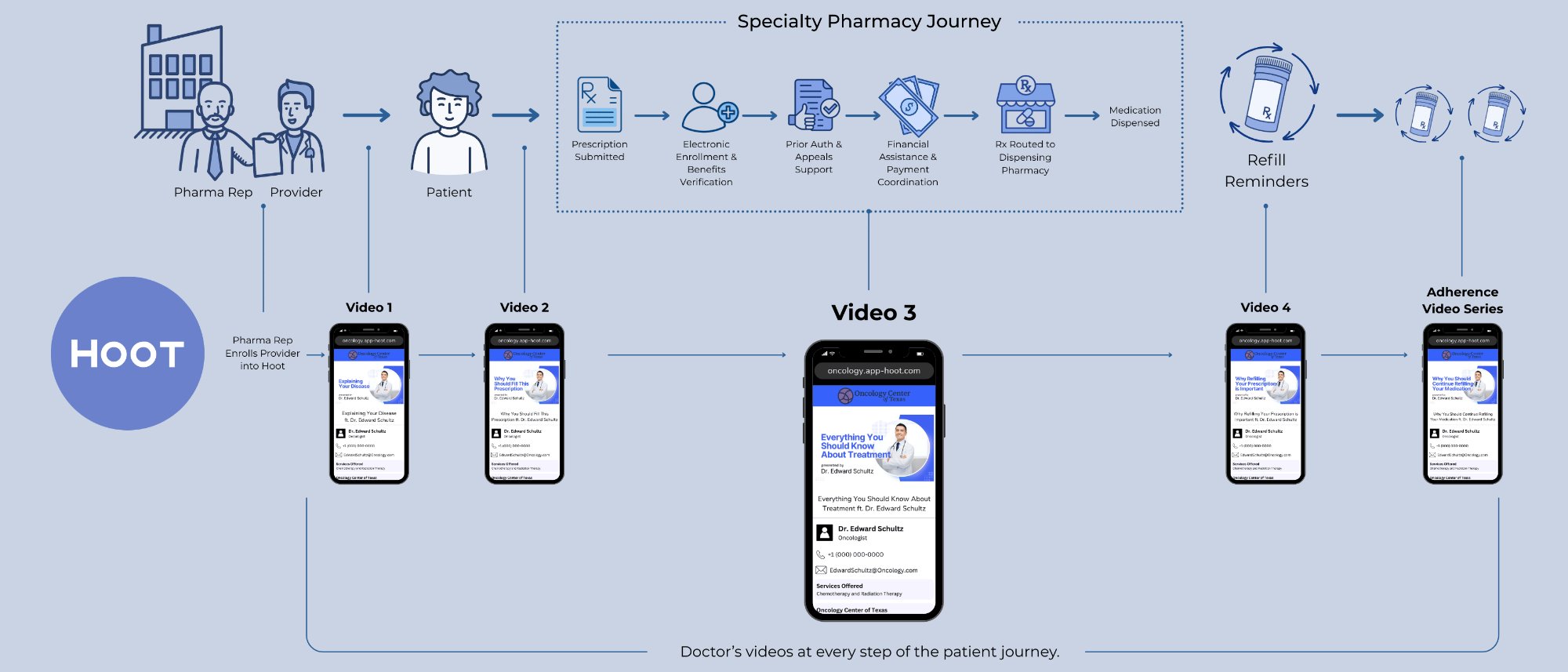
Hoot Video Hub seamless integration with specialty pharmacy journey, physician videos delivered at every step from prescription submitted through medication dispensed, refill reminders, and adherence video series
5
Physician video touchpoints across the entire specialty pharmacy patient journey
0
Workflow disruption. Overlays on existing hub, PSP, and specialty pharmacy infrastructure
98%
SMS open rate at each touchpoint vs. ~20% hub call answer rate
Rx → Refill
Full journey coverage from prescription through adherence video series
White Paper
The Patient Confusion Crisis

Misinformation, AI hallucinations, and the $5B support program failure. The complete research brief.

Download the Report

The Full Research Behind the Crisis

Synthesizes data from Tufts CSDD, IQVIA, J.D. Power, and peer-reviewed adherence studies across oncology, rare disease, immunology, and med device.

Core thesis: the missing link in patient support isn't the program. It's the messenger. When the physician's voice disappears, Reddit, TikTok, and AI chatbots fill the void.
01
The misinformation ecosystem: Reddit, TikTok, ChatGPT, Google
02
The 72-hour hesitation window across therapeutic areas
03
Oncology, rare disease, and med device patient confusion patterns
04
The trust hierarchy: why physician voice overrides everything
05
The Hoot model: ROI framework for physician-led video education
"Patients aren't failing to start because they don't care. They're failing to start because every voice they hear after the prescription tells them not to, and the physician's voice isn't in the conversation at the start, or at any point after."
Bob Miglani
Bob Miglani
Founder & CEO, 23 Years at Pfizer

The Patient Confusion Crisis FAQ

What is the Patient Confusion Crisis?

The systemic failure of patient education across oncology, rare disease, med device, and complex therapies, where patients make treatment decisions based on Reddit, TikTok, ChatGPT hallucinations, and Google fear rather than their physician's voice. Despite $5B in annual support programs, only 3% of patients use them.

How does AI chatbot misinformation affect patient decisions?

Patients increasingly ask ChatGPT, Google AI Overviews, and other AI tools about their medications. These tools generate confident, authoritative-sounding medical information that is frequently inaccurate, fabricating statistics, misattributing clinical trial data, and providing misleading risk assessments that patients accept as fact because the output "sounds" clinical.

Why are oncology and rare disease patients most vulnerable?

Oncology patients face life-or-death treatment decisions under extreme emotional duress, making them disproportionately susceptible to conspiracy theories and alternative medicine claims. Rare disease patients navigate ultra-specialized therapies with minimal peer support, leaving them isolated with unverified online sources. Both populations need the physician's voice most, and lose it fastest.

How does physician video override misinformation?

The prescribing physician's voice is trusted by 92% of patients, more than any other source. Hoot delivers that voice via SMS at 98% open rates during the 72-hour hesitation window when misinformation peaks. A 90-second video from the prescribing physician carries more emotional authority than every Reddit thread, TikTok video, and ChatGPT output combined.

See Where Starts Fail and Adherence Collapses in Your Treatment Journey

The Patient Confusion Audit maps the specific misinformation sources, hesitation triggers, and trust gaps that prevent patients from starting therapy, and the adherence failure points that cause those who start to discontinue. Includes a revenue recovery projection for both.

Treatment start failure points mapped by source
Adherence drop-off timeline at Month 1, 3, 6
Revenue recovery model for starts + adherence
Request Your Free Audit